Skip to product information
1 of 1

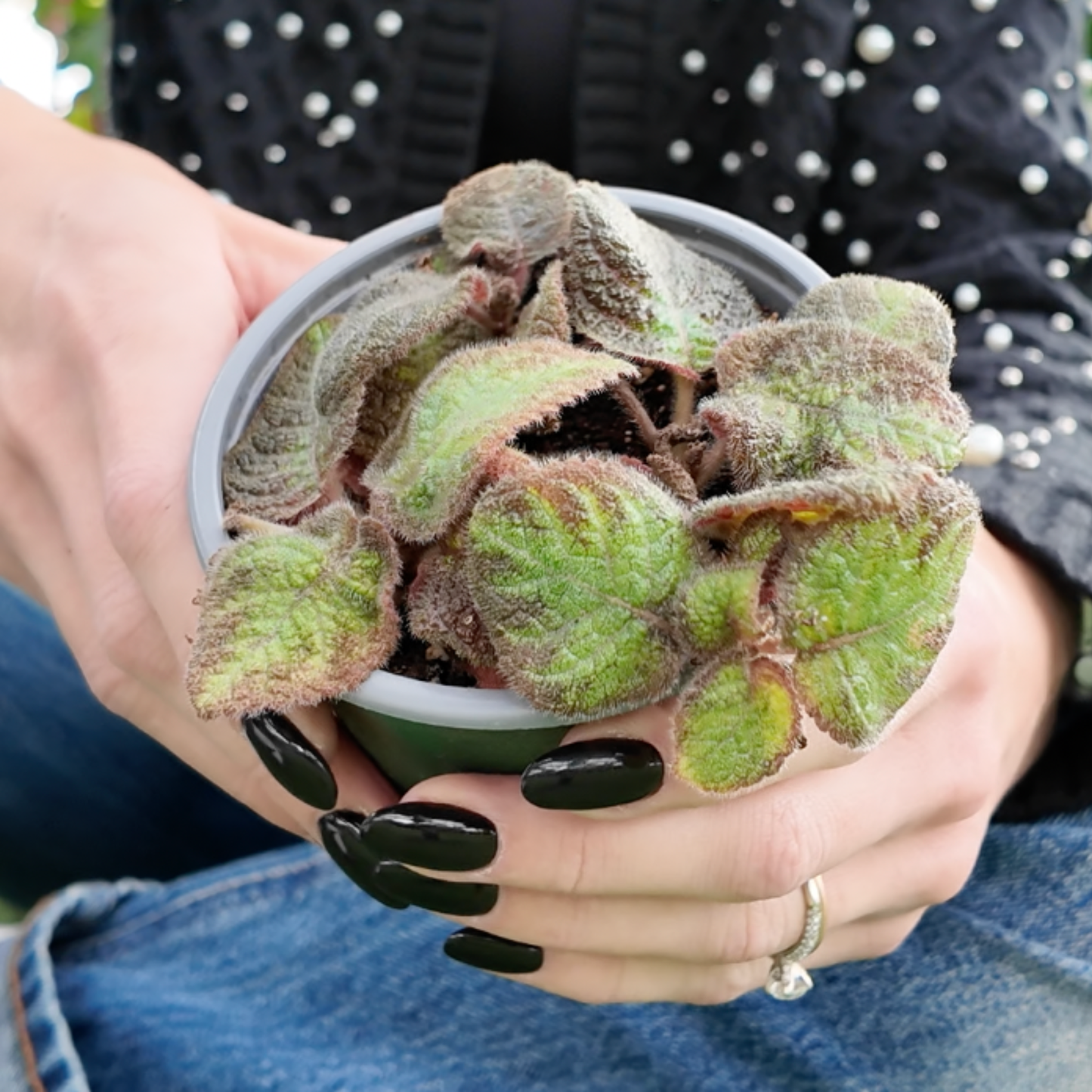
Episcia cupreata (Flame Violet)

Episcia cupreata (Flame Violet)

Episcia cupreata, commonly known as Flame Violet, is a tropical trailing plant admired for its velvety, richly coloured foliage and vivid tubular flowers. The leaves display copper, bronze, or reddish tones with contrasting veins, creating a lush, glowing appearance even when the plant is not in bloom. Its low, spreading growth habit makes it especially well suited for hanging planters, shelves, or shallow containers.

Native to tropical regions of Central and South America, Episcia cupreata thrives in warm, humid environments. As a member of the Gesneriad family, it shares care preferences with plants such as African violets. With consistent moisture, gentle light, and stable conditions, Flame Violet remains vibrant and continues to produce flowers throughout the growing season.

Size Description

Small: 4"/10cm Diameter

Regular price $13.99
Regular price Sale price $13.99
Sale Sold out
Size

Choose a pot for your plant

Sun Requirements ▾

Bright, indirect light is ideal for Episcia cupreata. Adequate light enhances leaf colour and encourages flowering, while direct sunlight can scorch the soft foliage. Low light conditions may reduce flowering and cause loss of vibrancy. A bright room with filtered light provides the best balance.

Watering Instructions ▾

Watering should be done when the top portion of the soil begins to dry out. Episcia cupreata prefers evenly moist soil and is sensitive to drying out completely. Overwatering should also be avoided, as saturated soil can lead to root issues. Using room-temperature water and watering at the soil level helps protect the velvety foliage.

Care Tips ▾

Episcia cupreata prefers a warm, stable environment with higher humidity and gentle airflow. It performs best in a light, well-draining potting mix that retains moisture without becoming waterlogged. Because of its shallow root system, this plant benefits from wide, shallow containers. Avoid cold drafts and sudden temperature changes, as these can cause stress or leaf damage.
View full details