
Purple Coneflower Echinacea Seeds by West Coast Seeds (Echinacea purpurea)
Purple Coneflower Echinacea Seeds by West Coast Seeds (Echinacea purpurea)
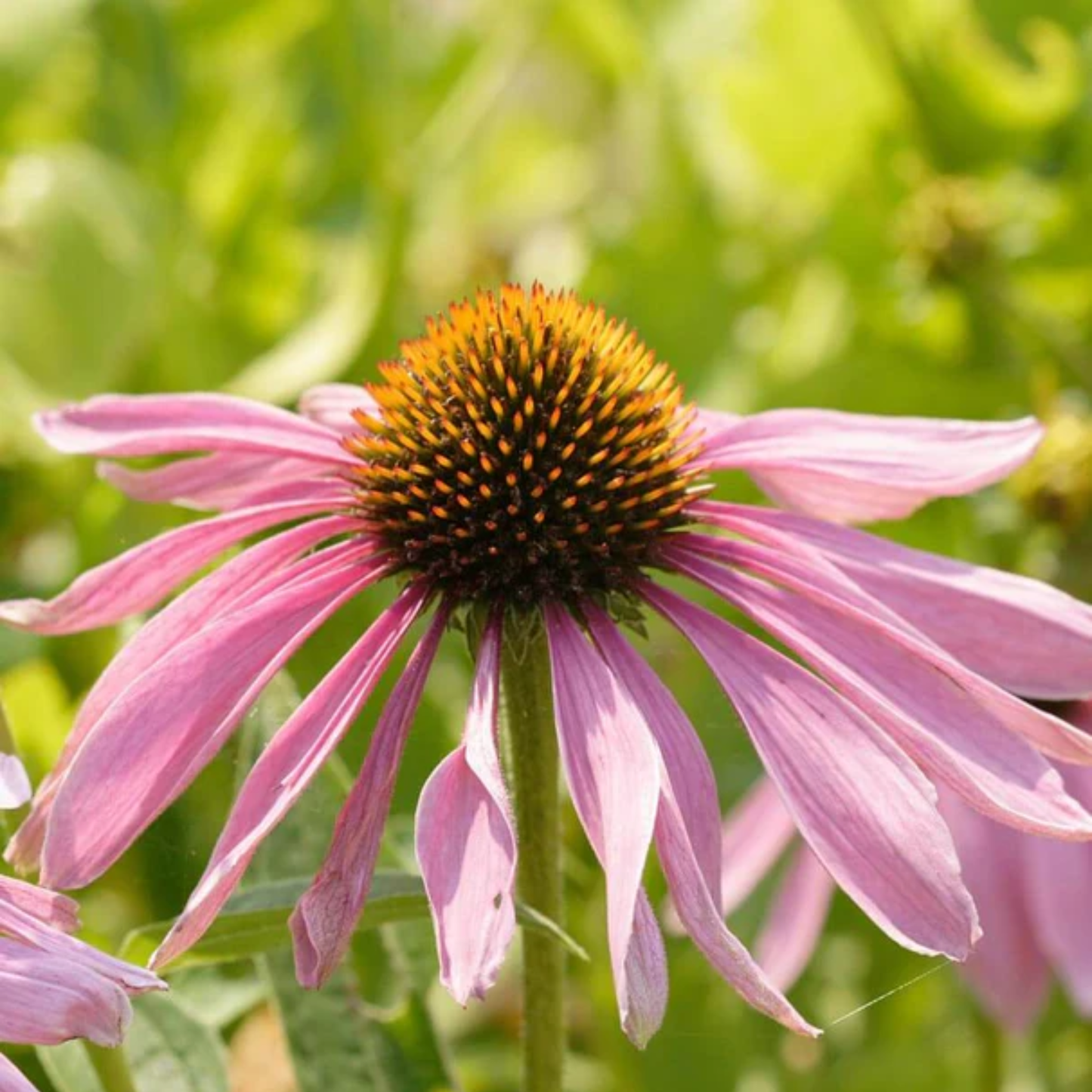
Purple Coneflower Echinacea Seeds by West Coast Seeds (Echinacea purpurea) produce upright perennial plants with large pink-purple petals surrounding prominent copper-orange cone centers. This hardy native species is valued for its long bloom period and strong pollinator appeal. This listing is for seed packets only and does not include live plants.
Echinacea purpurea is a herbaceous perennial known for its resilience and adaptability in a range of garden conditions. It performs well in garden beds, prairie-style plantings, and pollinator gardens. Mature plants develop sturdy stems and coarse green foliage, returning each year once established.
Purple coneflower is commonly grown for ornamental use and ecological benefit, attracting bees, butterflies, and other beneficial insects throughout the flowering season. Seed heads may also provide winter interest if left standing.
Couldn't load pickup availability
Sun Requirements ▾
Watering Instructions ▾
Care Tips ▾
Share