Skip to product information
1 of 1

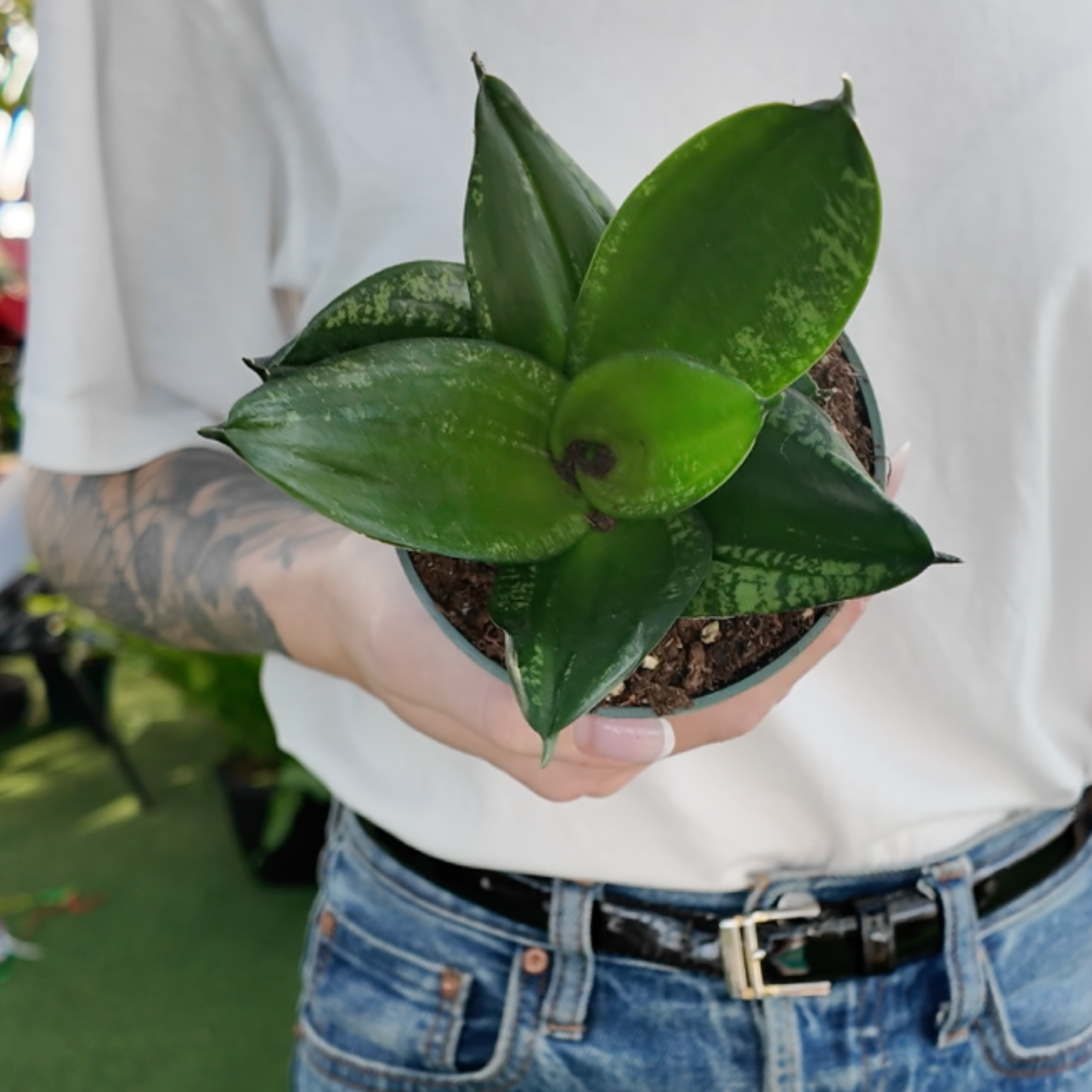
Sansevieria Trifasciata ‘Whitney’

Sansevieria Trifasciata ‘Whitney’

Sansevieria trifasciata ‘Whitney’ is a compact and elegant snake plant variety known for its broad, dark green leaves accented with soft silver-grey banding. The foliage grows in a low, upright rosette, giving the plant a clean and structured appearance that works especially well in modern and minimal interiors. Its tidy growth habit makes it an excellent choice for shelves, desks, and smaller floor planters.

As a cultivar of Sansevieria trifasciata, ‘Whitney’ shares the toughness and adaptability the species is known for. Native to arid regions of West Africa, this plant is well suited to indoor environments and thrives with minimal care. Its compact size and slow growth make it a dependable, long-lasting addition to both homes and offices.

Sizing Description:

Small - 4"/ 10cm Diameter

Regular price $19.99
Regular price Sale price $19.99
Sale Sold out
Small

Choose a pot for your plant

Sun Requirements ▾

This plant adapts well to a wide range of lighting conditions, from low light to bright indirect light. Brighter indirect light helps maintain stronger leaf colour and patterning, while low light conditions may slow growth. Direct sunlight should be avoided, as prolonged exposure can scorch the leaves.

Watering Instructions ▾

Watering should be done only when the soil has dried out completely. Sansevieria ‘Whitney’ stores water in its leaves and is highly drought tolerant, making overwatering the most common cause of issues. During the winter months, watering should be reduced significantly, as the plant requires very little moisture when growth slows.

Care Tips ▾

Sansevieria ‘Whitney’ prefers a warm, stable environment and performs best in a fast-draining soil mix designed for succulents or cacti. Proper drainage is essential, as the thick roots are sensitive to prolonged moisture. This plant adapts well to average household humidity and does not require frequent repotting. It should be protected from cold drafts and sudden temperature changes, which can cause stress or leaf damage.
View full details