Skip to product information
1 of 1

Swamp Milkweed Seeds by West Coast Seeds (Asclepias incarnata)

Swamp Milkweed Seeds by West Coast Seeds (Asclepias incarnata)

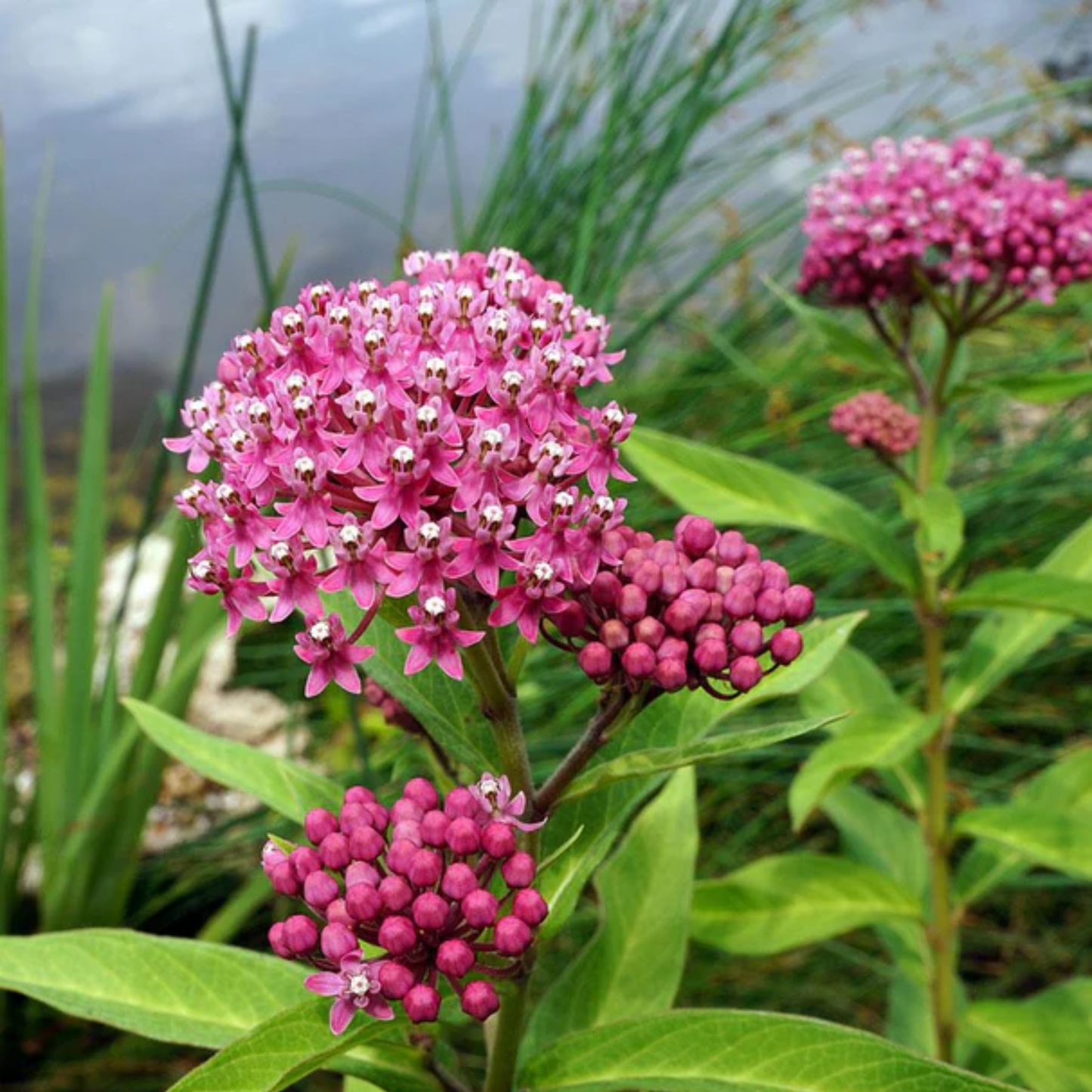
Swamp Milkweed Seeds by West Coast Seeds (Asclepias incarnata) produce upright perennial plants with clusters of soft pink, fragrant flowers that are highly attractive to pollinators. This native species is especially valued for supporting monarch butterflies and other beneficial insects. This listing is for seed packets only and does not include live plants.

Asclepias incarnata is a moisture-loving perennial native to North America, commonly found in wetlands, meadows, and along stream edges. It forms clumps of narrow green foliage topped with dome-shaped flower clusters that bloom in mid to late summer. The flowers are followed by elongated seed pods that release silky seeds.

Swamp Milkweed is widely used in pollinator gardens, native plant landscapes, and naturalized areas where ecological support and seasonal colour are desired.

Regular price $4.49
Regular price Sale price $4.49
Sale Sold out

Choose a pot for your plant

Sun Requirements ▾

Swamp milkweed performs best in full sun but can tolerate partial sun conditions. Strong sunlight supports vigorous growth and abundant flowering. Reduced light may result in fewer blooms and weaker stems.

Watering Instructions ▾

Maintain consistently moist soil, especially during the establishment phase. Water when the soil surface begins to dry, ensuring the root zone remains evenly hydrated. Avoid letting the soil dry out completely, as this species prefers steady moisture.

Care Tips ▾

Swamp milkweed grows best in moist, well-draining soil rich in organic matter. It prefers stable outdoor temperatures and performs well in environments with moderate to high humidity. Consistent soil moisture and good air circulation support strong root establishment and healthy plant development. Sow Swamp Milkweed seeds outdoors in fall or early spring, as seeds benefit from a period of cold stratification. Soil temperatures around 15–21°C support germination after stratification, which may take 14–30 days. Plants establish gradually and typically flower in their second growing season, providing long-term pollinator support.
View full details